Plumbing · Alpine, NJ
Technicians follow a consistent sequence of water heater maintenance checks while adapting to the specific model and installation conditions found at each property. Records of findings remain available for future reference.
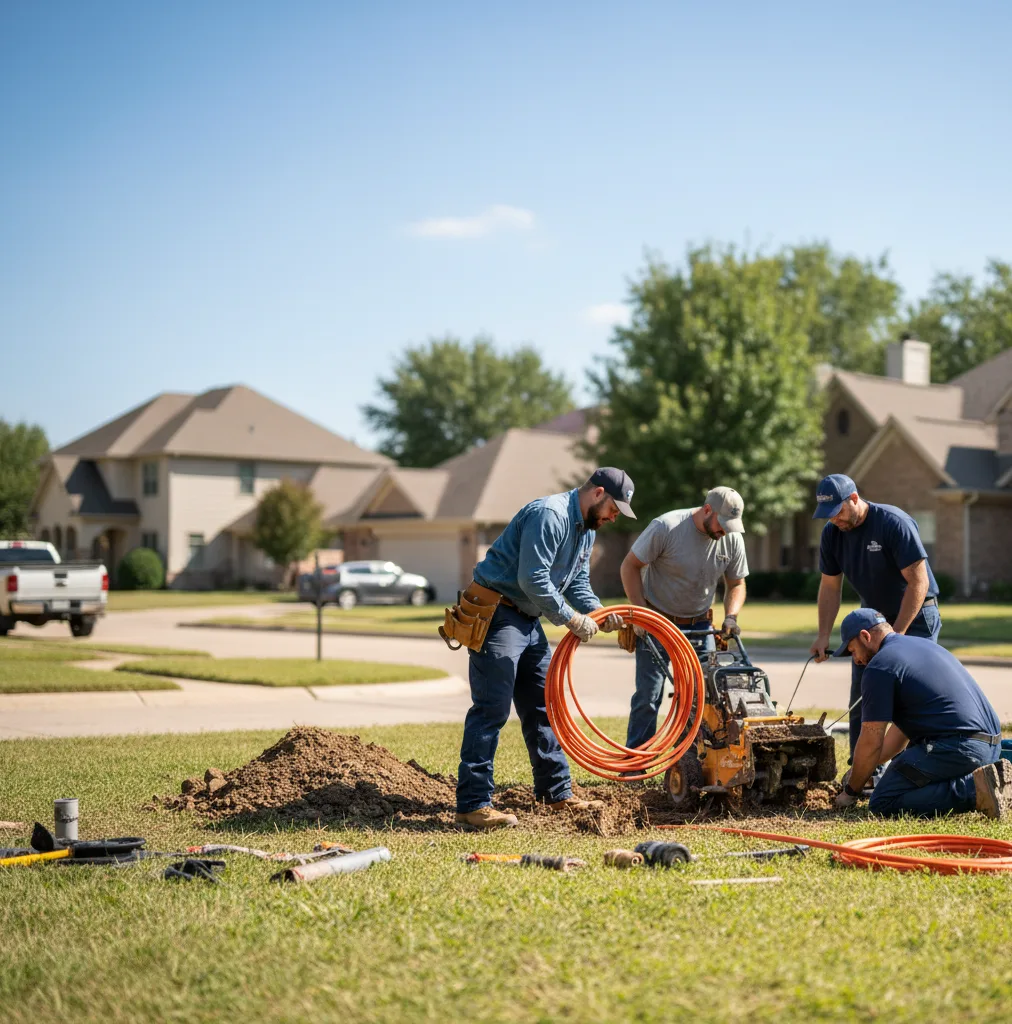
Fluctuating water temperatures, rumbling sounds from the tank, or small leaks around the base often lead homeowners to request an inspection. These signs can point to sediment buildup, worn heating elements, or minor corrosion that develops over years of use. A technician will note the age of the unit and any visible rust on fittings before proceeding further. In many cases the inspection reveals that the anode rod needs replacement or that the thermostat requires recalibration. Addressing these items early can prevent larger disruptions later. The process stays focused on observation and measurement rather than immediate water heater repair unless the homeowner requests it.
The technician begins with a visual survey of the unit and surrounding piping. Next comes a check of temperature and pressure settings followed by a test of the relief valve. Connections are inspected for tightness and any signs of moisture. If the unit is a gas water heater, the venting path receives attention to confirm proper exhaust flow. Findings are recorded and explained before the visit ends so the homeowner understands the current condition without pressure to decide on further work immediately.
Water heater inspections must account for the ground, water supply, and weather patterns that surround each property. These elements shape how systems are installed and how they age.
Properties throughout Alpine rest on sandy loam. Inspectors therefore examine pipe alignments and supports with extra care during every visit. The type of soil under a house decides how much its foundation moves over the years, which can affect connected plumbing.
The supply that reaches homes here is hard water. This fact guides the checks performed on heating elements and tanks. The area sees warm summers and cold winters, heavy rainfall, around 30 inches of snow a year, and 108 nights below freezing. Temperature swings and moisture levels are noted so that any exposed components receive proper attention. A complete inspection reviews both the unit itself and its immediate surroundings to confirm reliable operation.
FAQ

Most units have an accessible dial or digital control. Lowering the setting a few degrees can reduce energy use, but turning it too high risks scalding and added wear on components. Always turn off power or gas before adjusting internal parts, and verify the pressure relief valve still operates afterward. If you are unsure about the procedure, have a technician demonstrate the correct steps during a service visit.
Popping or rumbling usually comes from steam bubbles moving through sediment that has settled at the bottom of the tank. Over time this layer insulates the water from the heat source and forces the burner or element to work harder. Flushing the tank removes much of the sediment, though heavy buildup may require more than one flush or a professional cleaning. If the noise continues after flushing, the anode rod or heating components may also need attention.
Age is the first factor. Most residential tanks last ten to fifteen years. Visible rust on the exterior, repeated leaks, or water that stays warm only briefly are signs the tank itself is failing. When repair costs approach half the price of a new unit, replacement is usually the better long-term choice. We check the model number and condition on site before giving a recommendation.
Water Heater Repair & Plumber across Alpine, NJ. Call (970) 528-5707.
Call (970) 528-5707